Step, Breathe, Belong: Equine-Facilitated Wellness for Everyday Life
The first time I saw a client match her breath to a steed's heave and fall, the entire pasture altered. Birds still chattered, a tractor still clanked beyond the trees, yet the power in between female and gelding grew peaceful and interested. She had actually shown up wired and careful. Ten mins later on her shoulders went down, and the horse's lip quavered in that soft way they have when tension launches. No significant techniques, no lofty talk. Simply tip, take a breath, belong.
That is the daily elegance of equine-facilitated wellness. It is not a wonder cure and it is not just for cyclists. It is a steady technique of showing up, discovering your own signals, and inviting a thousand-pound companion to show them back without judgment. Equines do not care about your task title or your story. They track heart price, posture, intent, the harmony or mismatch between what your body states and what your words effort. In a world that trains us to neglect those signs, being with a horse can seem like lastly getting a straightforward mirror.
What horses instruct the body prior to the mind captures up
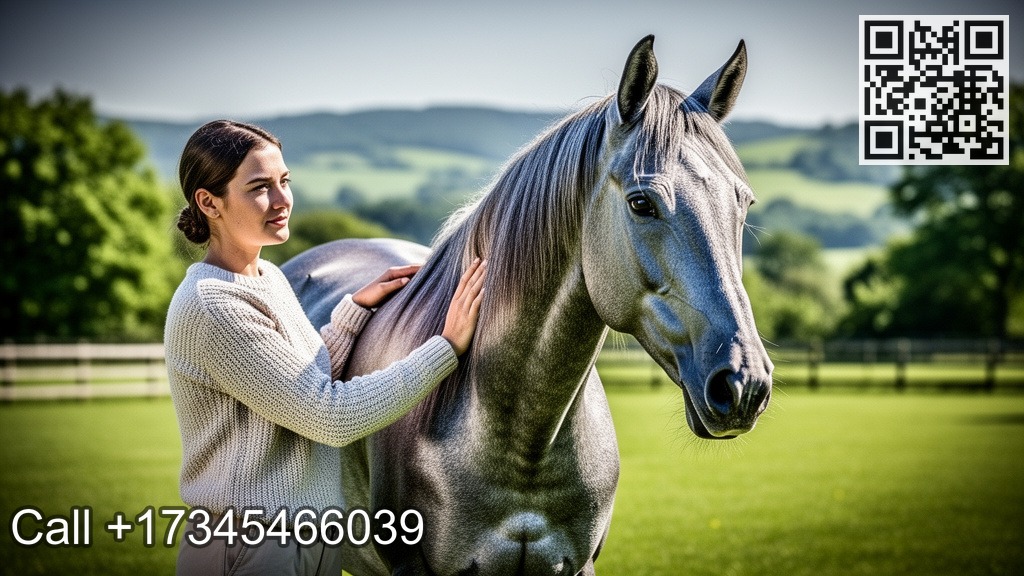
People often ask what happens in a session and whether it is mostly about riding. Riding can be component of restorative horsemanship, and for some goals it is vital. But a considerable share of equine-assisted services happens on the ground. We reduce, we walk alongside, we exercise asking and paying attention with our entire bodies. The horse checks out small changes, a softened joint, a steadier exhale, and answers in kind. You find out the language of pressure and release, of method and retreat, of indeed and not yet.
From a somatic lens, steeds version regulated nervous systems in actual time. Prey pets survive with attunement. When the atmosphere silences, they drift towards remainder and digest. When excited, they do not stew in adrenaline for hours. They check, move, maybe alarm, and reset. Humans typically miss the reset. Somatic recovery with equines aids individuals discover that downshift once more. Not with intellectual effort, but with the really felt experience of co-regulation. I have seen customers show up with a tense breath and entrust a grounded stride, not since any individual told them to kick back, but because their bodies found out how in firm with a calm, responsive partner.
An usual misunderstanding is that you need horse experience to begin. You do not. In fact, absence of routines can be a present. The best sessions are not about doing it right. They have to do with discovering what occurs when you transform one variable, a gentler hand on the lead, a longer pause, a more clear intent. The horse answers your concern honestly and right away. That comments loophole, especially in experiential understanding with steeds, transforms obscure concepts like limit setup or trust right into concrete actions. You feel what works, then you remember it.
Sorting the terms without getting tangled
The area consists of various yet overlapping methods. If you are checking out alternatives, it assists to recognize the basic categories.
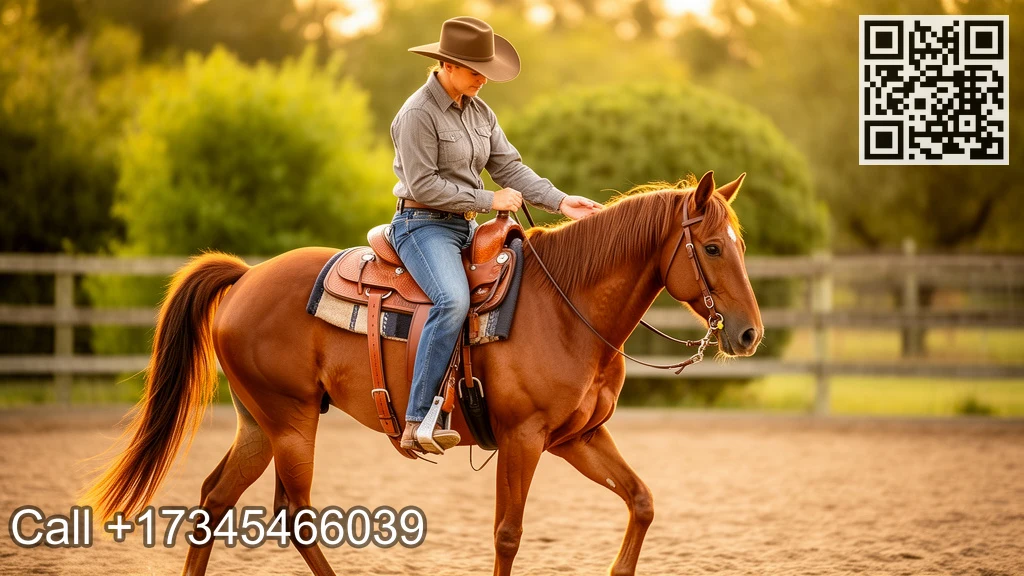
Therapeutic horsemanship usually involves skill-based riding or foundation under the guidance of a certified instructor. Goals can consist of balance, control, interaction, and confidence. Several motorcyclists with specials needs thrive in these programs since steeds offer a vibrant, receptive system that tests the body and engages the mind.
Equine-assisted activities can cover a variety of non-clinical experiences, from grooming and causing steady tasks that urge focus, participation, and duty. Consider these as structured, purposeful communications that construct life skills.
Equine-assisted services is a wider umbrella term that includes the above and might also consist of psychological health and wellness or work-related therapy provided by certified medical professionals. In professional models, a specialist companions with an equine specialist to address therapy objectives such as psychological regulation, sensory combination, or social communication.
Equine-assisted training and equine-facilitated coaching concentrate on individual or expert development instead of diagnosis. Trains use the https://waylonaddu108.urbanvellum.com/posts/nature-s-classroom-experiential-understanding-with-horses-for-life-skills horse-human connection to brighten patterns and assist clients explore new approaches. I lean on this model when dealing with supervisors that want cleaner boundaries, parents who really feel stuck in power struggles, or groups that require to reconstruct trust.
There are also specialized offerings for teams. Team structure with horses can take a seasoned group out of the conference room and into a paddock where ranking indicates little and clearness suggests every little thing. If a team pushes, the steed might support. If they collaborate and breathe, the horse normally complies with. That lesson lands much faster than any slide deck.
Each program will have its own language and technique. Ask providers just how they define their technique, how they guarantee security, and just how they determine development. Great programs are clear concerning what they do and what they do not do.
A day in the sector, not just a brochure promise
On a normal weekday at our ranch, people get here in all tastes of human. A nine-year-old that fidgets continuously, an adult with an effective profession and a secret knot in the upper body, a mother and child navigating a brand-new autism medical diagnosis, a pair attempting to reconnect after an intense year. The horses do not obtain startled by our variety. They review it and make room or request for clarity.
Take Maya, an university student who came for anxiety assistance with steeds. She had actually tried talk therapy and valued it, yet panic still blindsided her on jampacked buses and prior to exams. In our first session, she stood 6 feet from a Haflinger called Clover. We practiced a straightforward rhythm, in for four matters, out for six. Heart rate information is not required for this work, however occasionally it aids a customer who enjoys metrics. We utilized a wrist display to mark her standard. After ten minutes of peaceful breath and matching her actions to Clover's, the numbers dipped. Extra importantly, Maya really felt the softness. She found out to pile her ribs, unlock her knees, and let her stare expand. By session five she had a two-minute reset she can utilize on the bus. She still had distressed days, however as opposed to getting swallowed she had a rope to grab.
Then there is Jackson, a twelve-year-old in an autism equine finding out program, brilliant and witty, quickly bewildered by noise and modification. In the barn, routines and responsive tasks organize his interest. He brushes in lengthy strokes, counting softly. We practice leading with minimal cues. If Jackson hurries, the steed waits, a natural speed limitation. If he waits, the horse shows passion, a social reward. Over months, Jackson expands his capacity to stop, to tolerate tiny surprises like a trembling tarpaulin, to ask for aid with words as opposed to ordering. His educator told me he began raising his hand at institution rather than calling out. The barn did not deal with college. It offered him practice sessions that really felt good in his body.
For ADHD equine finding out support, I watch for jobs that trade over-efforting for timing. Cyclists clutching for dear life can not locate a fluid uploading trot. Ground leaders that pull miss the sign. When a client detects that a lighter ask works better, you can see their smile spread. It is not regarding trying harder. It is about trying more clear, right amount, best moment. That lesson matters in research time with an uneasy brain, in meetings with spiraling conversations, in mornings before coffee.
Why steeds really feel safe for sensory challenges
For many individuals with sensory handling distinctions, average environments are penalizing. Humming lights, crowded halls, unpredictable sound. The barn is sensory rich, yet it tends to be patterned and sincere. Hoofbeats on dirt. Natural leather in your hand. A steed snorts and drinks, then resolves. Different treatment for sensory obstacles is not an excellent expression, because we are not repairing a busted system. We are supplying a setting where a nervous system can practice guideline with clear feedback.
I have discovered to view the small indicators. A customer who can not tolerate a curry comb at the beginning may love the soft flick of an ending up brush after ten mins of strolling outside. Someone who stuns at the sudden whir of a fly spray bottle may accept it if they can be the one to push and release, after that go back. Control matters. Predictability issues. We do not flooding clients to show a factor. We titrate, locate sides, go back to convenience. Steeds design that dance since their very own detects are intense. When they begin to settle around a person, it is not performative. It is physiology meeting physiology.
Safety, permission, and fairness to the horse
Ethics are not an afterthought. Horses are sentient animals with choices, histories, and thresholds. Any type of program worth your depend on prioritizes the equine's health in addition to the human's. We track weight restrictions, timetable day of rest, turn duties to prevent fatigue, and state no when a horse shows indicators of stress and anxiety. We also make space for the steed to say yes. A drooping lower lip, a sigh, an inquisitive progression, a soft blink, these are the thumbs-ups I look for.
In sessions, permission cuts both ways. If a client really feels pressured by a job, we back up. If a steed pins ears or braces consistently, we reassess. We choose horses suited to the job, typically stable geldings or mares with a history of kind direct exposure. We retire horses that are not enjoying it. Security equipment is non-negotiable where danger is higher. Helmets when placed, tough shoes all over, clear courses, discovered launches. I have actually seen a tranquil session come to be chaotic since a loose pet dog ran in. Limits secure the quiet that makes this job sing.
The mystery of initiative and ease
People anticipate difficulty to feel like stress. Horses show a different equation. When you are consistent, initiative decreases. A client who had led supervisors for two decades came for equine-facilitated training since his team had delayed. In the field, he tried to relocate a steed via a slim chute with big motions and a commanding voice. The steed grown. We pared the ask to three aspects. Instructions, clearness, timing. He breathed, picked a factor, made a light request with his body, and softened the instant the steed tried. The gelding went through the chute like it was the obvious next action. Back at work, he stopped pressing with power and started guiding with precision. His team discovered within a week.
That simplicity can be disorienting. Individuals wonder if they have actually shed their side. They have not. They have traded noise for signal. The nerve system finds out that composure is not laziness. It is leverage.
What a very first session commonly looks like
Every carrier has a rhythm. Right here is the general form customers can expect in a well-run program.
- Arrival and alignment to the space, consisting of a short safety and security briefing and a possibility to satisfy the horses from a comfortable distance.
- An easy grounding technique, commonly breath or pose based, to obtain existing and check individual boundaries and goals for the hour.
- Initial communication, such as pet grooming or matched walking, with coaching on analysis equine signals and honoring permission from both sides.
- A concentrated activity lined up with the client's goals, as an example leading via obstacles, freedom join-up in a small pen, or installed exercises if appropriate.
- Debrief and translation to life, recognizing what landed, what moved in the body, and how to rehearse the brand-new pattern in the house or work.
Sessions run 60 to 90 minutes in a lot of settings. Regularity varies, once a week for skill structure, regular monthly for specialist training, seasonal for school-based groups. Wise programs rate intensity to prevent overload for people and horses alike.
Bridging the barn and the kitchen area table
If we quit at understanding, we miss the point. Equine-facilitated wellness works when it strings right into normal routines. After sessions, I ask customers to run tiny experiments. The moms and dad who secures horns with a teenager techniques the exact same boundary we utilized with a mare who crowds, feet grown, voice calm, hand up, await room, then thank the shot. The executive with a packed calendar timetables three five-minute resets where they tip outside, expand their stare, let shoulders go down, and name one clear objective prior to walking back in. The college student that ices up under fluorescent lights practices the Clover breath on the bus.
Progress is not linear. Expect backslides after negative rest, health problem, or life spikes. The arena gives you representatives in a flexible lab. Equines forgive a great deal if you ask with respect and tidy up your blunders. That poise matters when you are transforming habits that took years to build.
Measuring change without decreasing it to a spreadsheet
Some clients like numbers. We can track self-ratings of anxiety, brief interest jobs pre and post, or use wearable devices to note heart price trends. These are photos, not verdicts. The richer information comes from life itself. Do you capture your breath before you snap? Does your youngster recuperate from a jolt much faster than last month? Did your team conference end with a choice as opposed to circling for an hour? The barn tops these shifts. You confirm them where you live.
Clinically oriented programs may utilize standardized devices to keep track of outcomes. Coaching programs often tend to make use of goal-based monitoring and narrative representation. Both have value. Watch out for providers who guarantee quick repairs. The body learns at the speed of safety.
Costs, access, and the reality of barns and budgets
Prices vary commonly by region and by design. Nonprofits offering equine-assisted tasks and restorative horsemanship might subsidize costs via grants and contributions. Exclusive equine-assisted training for execs may be priced like other specialist development services. Figure on a range from community rates around 50 to 80 dollars per group session to exclusive sessions that can run 100 to 250 dollars or more. Some scientific equine-assisted services are eligible for insurance reimbursement when given by certified therapists, though coverage is irregular. Ask in advance about gliding scales, scholarships, and team options.
Accessibility issues. Barns are not always established for wheelchair gadgets, however many programs make thoughtful adaptations. Placed job can be sustained with ramps and lifts. Foundation can be done from a mobility device or seated setting if safety and security is guaranteed. Sensory-friendly scheduling assists some clients, early mornings or quieter days. Weather condition is an element. Have a plan for heat, cool, and storms, including an indoor sector or an alternating space.
When equine work is not the most effective match
If a customer has severe animal allergies, a risky clinical condition that contraindicates exercise, or an injury history particularly linked to steeds that flares right into panic beyond titration, we think about other paths or companion closely with medical companies. If somebody craves adrenaline, a wild colt or a gallop far from feelings, we reduce them way down or reroute. The barn swipes no one's company. We search for readiness, interest, the readiness to attempt little points regularly. The equine does not require you to thrill them. They require you to be real.
Choosing a program you can trust
- Verify credentials that fit the service, such as licensed therapeutic riding instructors for installed lessons or qualified medical professionals for psychological wellness treatment.
- Ask how equines are chosen, trained, and retired, and exactly how the program reviews and respects equine consent.
- Tour the facility and watch a session preferably, seeing security techniques, cleanliness, and the tone of human-horse interactions.
- Clarify goals and just how progress will be assessed, with examples of session plans tailored to your needs.
- Discuss logistics clearly, scheduling, cancellation policy, weather strategies, and what to put on and bring.
Good suppliers welcome concerns. If you feel swept aside or charmed by jargon, depend on your digestive tract and maintain looking.
Team discovering with hoofprints
Corporate groups often arrive hesitant. Which is reasonable. They have done trust drops. They have actually made it through resort ballrooms with stale muffins. In the field, horses cut through resentment quick. A team that can not share area respectfully will not move a herd quietly from point A to factor B. A leader who micromanages will certainly obtain sluggish, sticky responses. When a team begins stopping to plan, when they name roles and include dissent, the horses flow. I have actually viewed a bruised sales group regain its humor by the 2nd hour merely since the workout required them to be clear and kind, not heroic.
This is equine-assisted training related to culture. It works finest when the offsite is not a one-and-done. Follow-up telephone calls, brief on-site refreshers, and the assimilation of a few common signs assist the barn lessons live past the day. A group that normalizes one breath prior to heated topics will certainly throw away less time and maintain even more people in the room.
A few quiet techniques to take home
Barn wisdom is useful. You do not need an equine in your yard to obtain it.
When you get in a brand-new area, pause at the limit. Soften your knees, let your exhale lengthen, and expand your vision to consist of the sides of the area. Equines do this at eviction. It resets your system and helps you check out the field.
When you ask for something essential, make the smallest clear request initially. Include only as required. Pressure without launch makes equines brace. People as well. If you get a try, even a little one, mark it and soften. You will get more faster.
When you are swamped, move your feet. Walk a slow lap, roll your shoulders, match your breath to your actions. Steeds discharge activation via motion. Human beings can, very carefully, do the same.
And when you are worn out, rest. Steeds nap standing because it is risk-free sufficient in the herd to do so. Develop little herds where you can, pals or associates that hold the room while you shut your eyes for 2 minutes and remember you have a body.
The heart of it
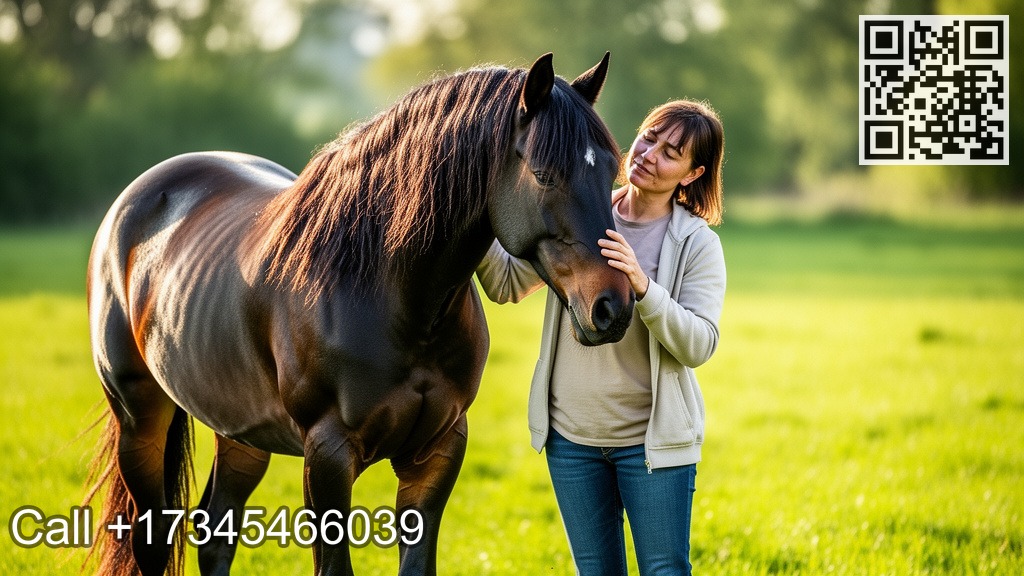
At its core, equine-facilitated wellness is about belonging. Not as a social tag, yet as a really felt feeling that your body rates in its transforming states. The steed does not need you to be calm to strategy. They ask you to be honest. If you come buzzing, they will certainly notice and determine exactly how close they are comfortable. If you get here weeping, they may stand close-by and blink with you. The conversation is not judgment. It is details. Gradually, people learn to listen earlier and talk cleaner. They stop overcorrecting and begin adjusting.
The barn ends up being an area where you exercise being a steadier variation of yourself. Therapeutic horsemanship develops balance, sychronisation, and guts in the saddle. Equine-assisted services provide organized means to expand emotional law and social communication. Equine-assisted activities create objective and pattern where mayhem ruled. Equine-assisted coaching, for individuals and groups, transforms understanding into activity. Different doors to the very same house.
I have actually seen teens on the edge laugh out loud as an equine follows them free across an arena cleaned with late light. I have walked beside experts who, after years of white-knuckled days, breathed out and allow an equine's speed overview their own. I have actually seen a youngster that can not stand cleaning for more than 10 seconds finish a session by standing cheek to carry with a dappled mare, both breathing slow-moving and long. None of those minutes remove difficulty. They provide us a layout for relief.
Step. Take a breath. Belong. Simple does not suggest very easy, and it rarely indicates fast. It suggests consistent, honest, and personified. Horses are charitable educators this way. If you are curious, locate a program that deals with both types with regard. Feature sturdy footwear, a readiness to discover, and approval to be precisely as you are. The sector will meet you there.
Happy Hooves Wellness
9177 Gross Rd, Dexter, MI 48130
+17345466039
https://www.hhooves.com/